The Chedi Hegra
Hegra UNESCO World Heritage Site, AlUla — GHM Hotels
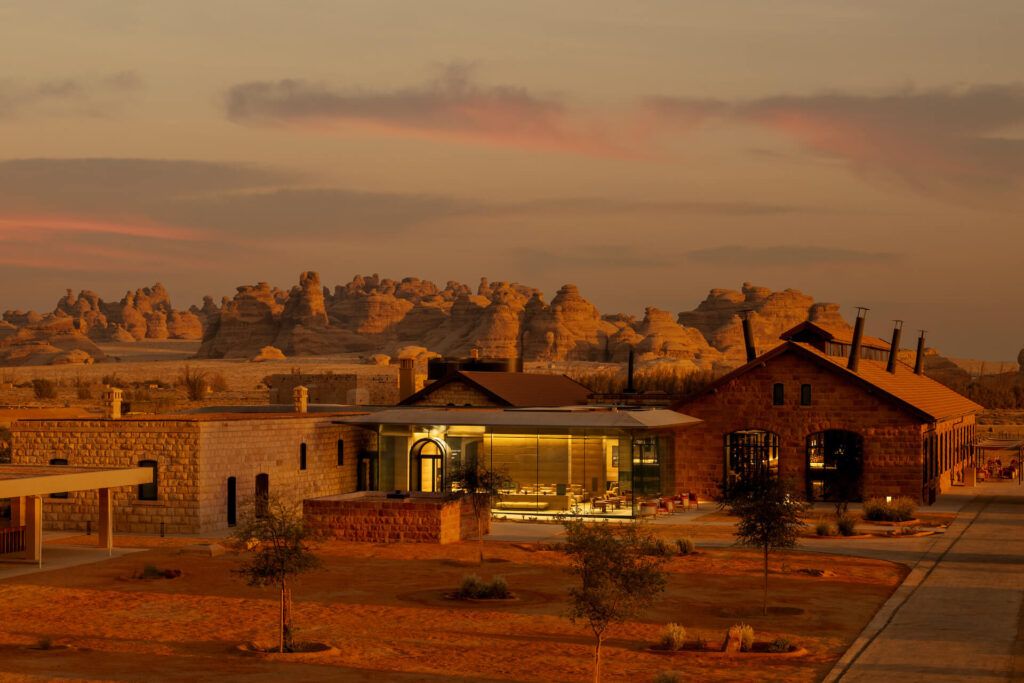
The Chedi Hegra occupies a position that no other luxury hotel in Arabia can claim. It sits within the UNESCO World Heritage Site of Hegra — the Nabataean city that served as the southern capital of an ancient kingdom whose northern capital was Petra. The hotel builds directly from the ruins of the Hegra Railway Station, constructed in 1907 as part of the Ottoman Hejaz Railway connecting Medina to Damascus. Consequently, guests sleep within two thousand years of layered history rather than simply visiting it from a distance.
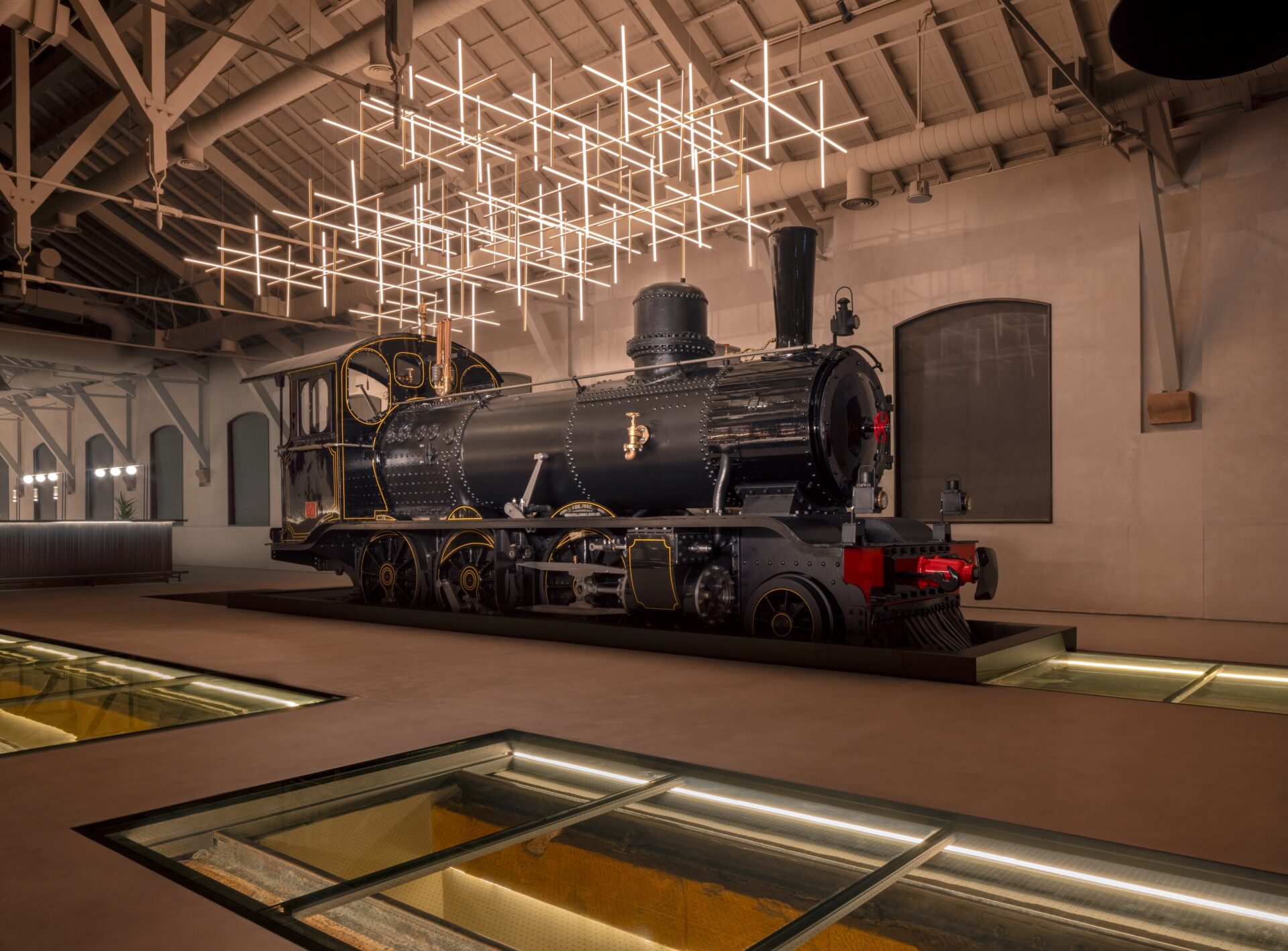
GHM Hotels — the group behind The Chedi Muscat — operates the property. The design comes from Milan-based studio Gio Forma, which chose to preserve the original railway structures and build around them rather than replacing them. Furthermore, a restored 1906 locomotive stands within the site as both artifact and focal point. The result is one of the most architecturally and historically significant new hotels anywhere in the world.
The Setting
Hegra dates to the first century BCE. The Nabataeans carved over a hundred monumental tombs directly from the surrounding sandstone formations — facades still intact after two thousand years of desert wind. The Hejaz Railway arrived in 1907, threading through this ancient landscape on its way between Medina and Damascus. The Chedi Hegra sits at the intersection of both histories. As a result, guests explore the Nabataean necropolis during the day and return to a hotel that is itself a historical monument. No other AlUla property offers this proximity to the site. The others require a drive; The Chedi Hegra requires only a walk.
The Lamellae and Architecture
The Shadow Canopy — known as Lamellae — is the defining architectural gesture of The Chedi Hegra. It runs seven hundred metres above the historic railway tracks, creating a shaded corridor that connects the hotel’s spaces while sheltering the original infrastructure beneath it. The structure uses a latticed form that filters the desert light without blocking it. Additionally, the hotel incorporates a dedicated gallery within the railway station where handcrafted historical pieces sit alongside objects recovered during conservation work at the site. The architecture throughout respects the layered age of the location rather than imposing a contemporary aesthetic over it.
Accommodation
The Chedi Hegra offers thirty-five suites, rooms and villas across several categories. All face the necropolis, the rock formations or the desert dunes — the views from every room are views of the archaeological site itself rather than a generic desert landscape. The interiors draw on the GHM aesthetic of refined contemporary design with local material references. Moreover, the small scale of the property — thirty-five units compared with the ninety-six villas at Habitas — produces a quality of intimacy and quiet that larger AlUla properties cannot match.
Dining
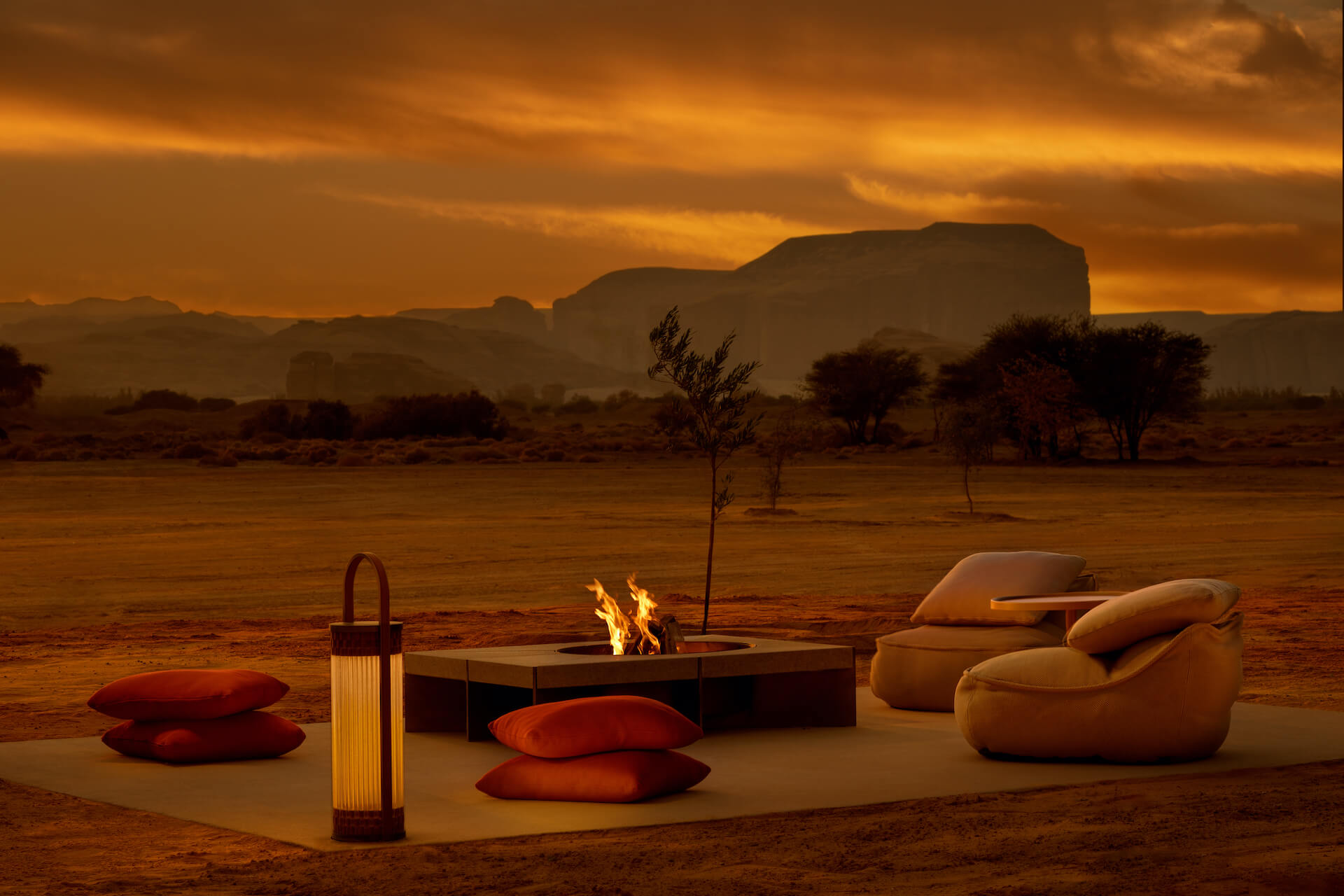
Prima Classe is the main dining venue at The Chedi Hegra — named with a reference to first-class railway travel and positioned within the restored station building. The menu draws on Saudi and regional ingredients while reflecting GHM’s tradition of culturally informed cuisine that connects to its specific location. Dining within the railway station, surrounded by the original architectural fabric of a 1907 Ottoman infrastructure project, produces an atmosphere that conventional AlUla hotel restaurants cannot replicate. Furthermore, outdoor dining formats place guests directly within the archaeological landscape for the strongest possible connection between food and setting.
When to Visit
October through April covers the comfortable season at Hegra. The archaeological site opens early in the morning and the quality of light on the tomb facades at dawn is the single most compelling reason to be here in the cooler months rather than during summer. January and February bring the AlUla winter festival with additional programming across the destination. Therefore, arriving in December or March offers strong conditions without festival pricing or visitor concentration. The Chedi Hegra opened in late 2024 and early bookings remain easier to secure than they will become as global awareness of the property grows.
Combining The Chedi Hegra with Other Destinations
The Chedi Hegra works as two to three nights of the AlUla portion of a wider Saudi Arabia journey. Because the property sits within the Hegra site itself, two full days allow thorough exploration of the tombs, the Ikmah canyon inscriptions and the Dadan archaeological area without feeling rushed. The Red Sea coast follows naturally westward. Additionally, Jordan’s Petra completes the Nabataean circuit for travellers who want to follow the ancient trade route from its southern capital to its northern one — a journey of remarkable geographical and historical coherence.
For AlUla: AlUla
For Saudi Arabia: Saudi Arabia
For the full Arabian Peninsula: Arabia by Oloi Shorua
If you are considering The Chedi Hegra as part of a private Arabian journey, we would be pleased to begin with a conversation.
The Chedi Hegra — ghmhotels.com
Experience AlUla — experiencealula.com